

When purchasing probiotics at a pharmacy, you will notice that the vast majority of high-quality probiotic products on the market are in capsule form rather than loose powder or tablets. Many people can't help but wonder: why do probiotics always use empty capsules? Isn't it more convenient to take the powder directly? Furthermore, do vegetable capsules, which have been highly touted in recent years, really protect live probiotics better than traditional gelatin capsules? This article reveals the secrets behind this.
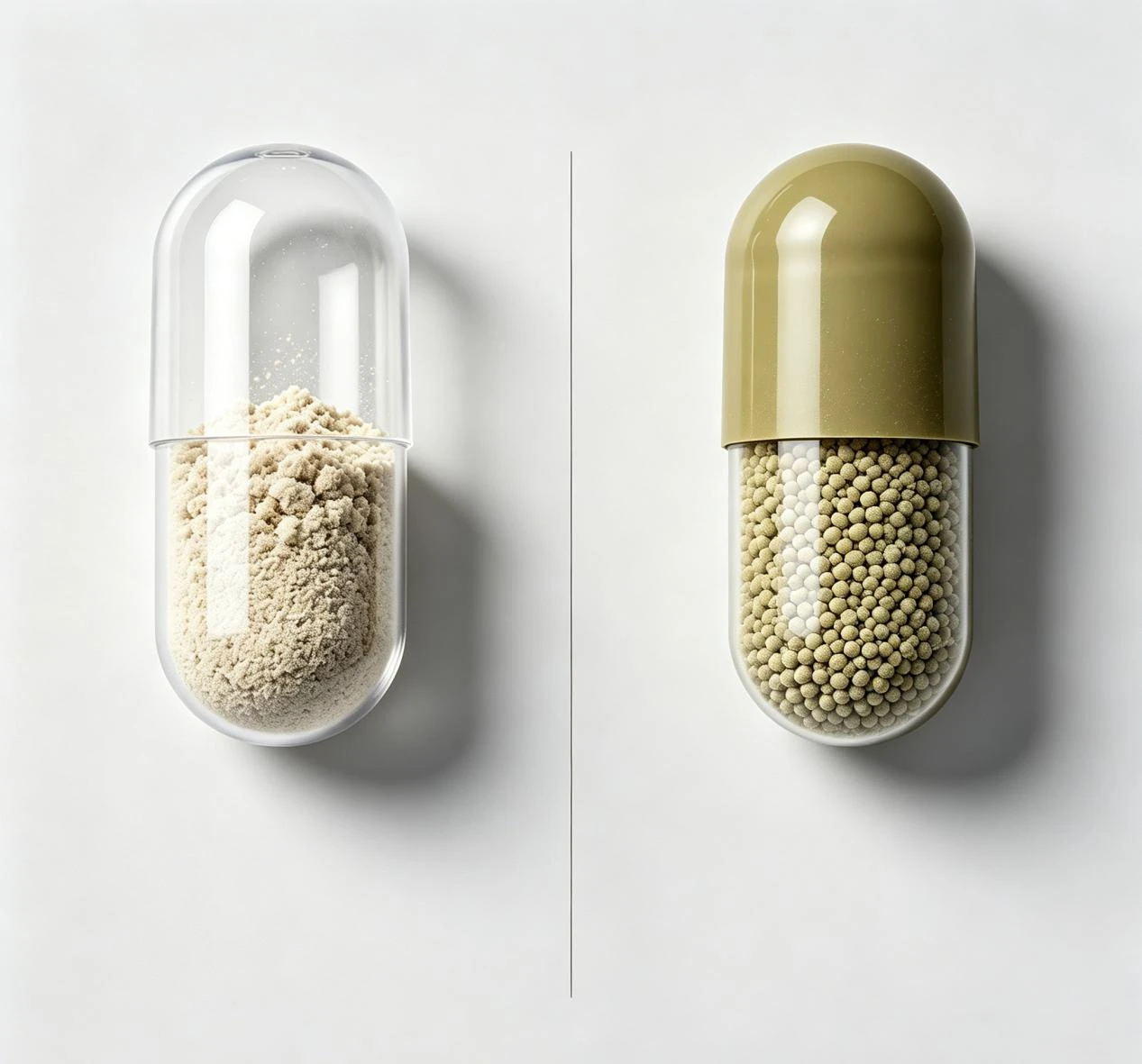
Why Are Probiotics Always Packed in Empty Capsule?
Probiotics are live microorganisms, and their core value lies in "entering the intestine alive and colonizing". The use of empty capsule is primarily based on the following three reasons:
Resisting Gastric Acid Corrosion: The pH level of human stomach acid is extremely low, giving it powerful germicidal properties. When bare probiotic powder enters the stomach, it is highly susceptible to being killed by gastric acid, leading to "total annihilation". An empty capsule can delay the contact between probiotics and stomach acid to a certain extent, protecting a portion of the live bacteria so they safely reach the intestines.
Isolating Oxygen and Moisture: Probiotics are anaerobic or facultative anaerobic bacteria, making them highly sensitive to water and oxygen. Capsule shells provide a relatively enclosed micro-environment that effectively blocks out external air and moisture, significantly extending the survival period and shelf life of the probiotics.
Masking Unpleasant Odors: Many fermented probiotic powders carry a specific fermented sourness or fishy smell. The capsule form perfectly masks these odors, enhancing the overall consumption experience.
Do Vegetable Capsules Protect Live Probiotics Better?
Traditional empty capsules are primarily made from animal-derived gelatin, while vegetable capsules (such as HPMC capsules, and Pullulan capsules) are made from plant fibers or polysaccharides. For probiotics, vegetable capsules indeed offer superior protective benefits:
Lower Moisture Content, Easier Survival for Live Bacteria: Traditional gelatin capsules typically have a moisture content of around 13% to 16%. When environmental humidity decreases, the empty capsule will reversely draw moisture from the contents inside-which is fatal for probiotics that are extremely sensitive to water. In contrast, vegetable capsules have a very low moisture content (usually 4% to 6%) and are less prone to becoming brittle, providing a drier "safe haven" for probiotics.
Stronger Natural Barrier Effect: The molecular structure of vegetable capsules is denser, and their barrier properties against oxygen and moisture are superior to those of gelatin capsules. This further reduces the loss of probiotics during storage.
Higher Safety and Broader Applicability: Vegetable capsules contain no animal-derived ingredients, effectively reducing the risk of animal disease transmission. At the same time, they meet the dietary requirements of special populations, including vegetarians, as well as those requiring Halal or Kosher certifications.
Probiotics are packed in empty capsules to provide a layer of "body armor" for these fragile live bacteria, helping them safely pass the test of stomach acid and extending their shelf life. When it comes to material selection, vegetable capsules with low moisture content and high barrier properties truly offer better long-term protection for probiotics than traditional gelatin capsules. Next time you are selecting a probiotic product, you might want to pay attention to the capsule material listed on the packaging. Opting for vegetable capsules ensures that the probiotics you consume truly stay "alive" until they can take effect!
[ Talk to a Capsule Specialist ]


