

In the pharmaceutical and health supplement industries, empty capsules are essential carriers for active pharmaceutical ingredients and nutritional components. The first direct checkpoint facing consumers is the capsule material. The material not only affects the product's shelf life but also directly relates to the absorption rate of the active ingredients and the consumer's overall experience. So, how do you choose the right empty capsule material? This article will provide a detailed breakdown.
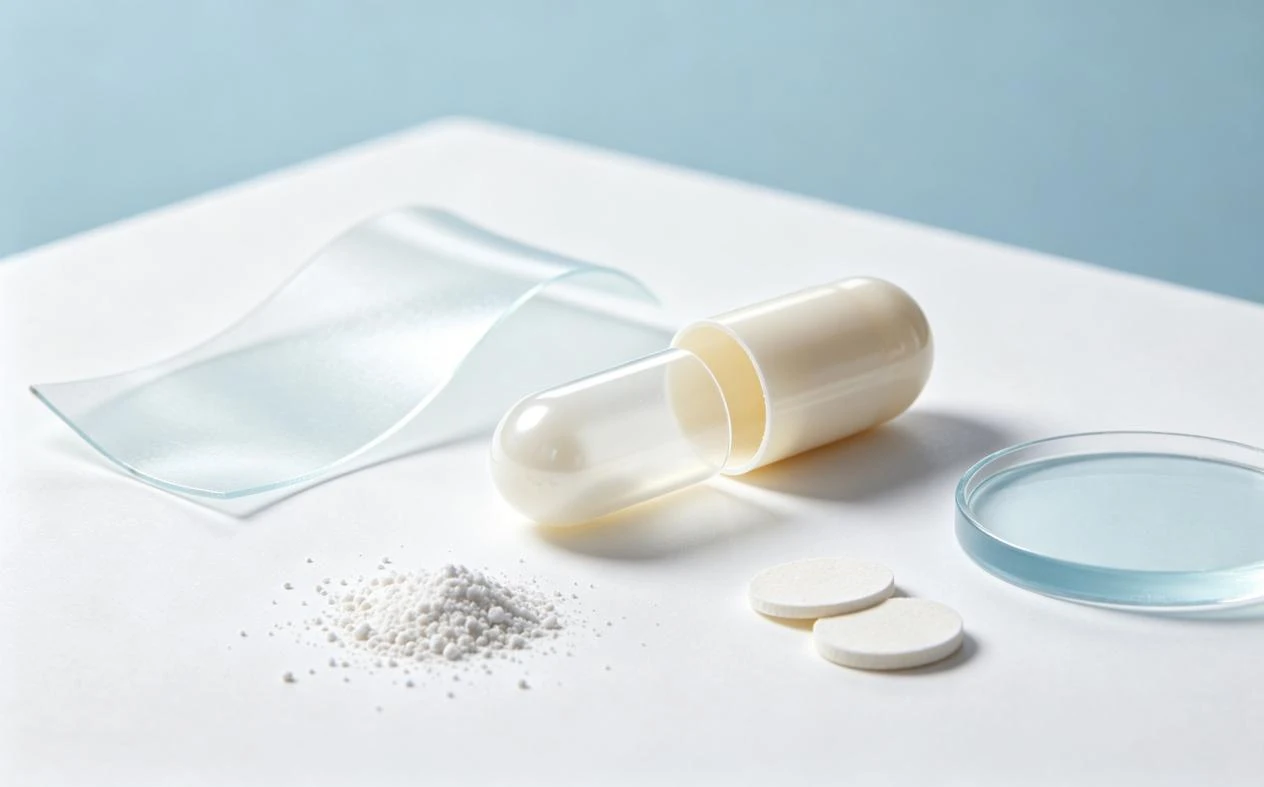
Currently, the mainstream empty capsule materials on the market are primarily divided into three categories: gelatin capsules, plant-based capsules (HPMC capsules and Pullulan capsules), and enteric-coated capsules. When making a selection, you should focus on the following key dimensions:
1. Gelatin Capsules: The Cost-Effective Classic Choice
Gelatin capsules are derived from the collagen in animal skin and bones, making them the most traditional and widely used capsule material. Their advantages include lower cost, rapid disintegration, and quick drug release. If your product is a standard powdered medicine or supplement, and your target audience is price-sensitive, empty gelatin capsules are an ideal choice. However, it is important to note that empty gelatin capsules carry animal-origin risks, making them unsuitable for vegetarians and specific religious groups. Additionally, they are sensitive to temperature and humidity, making them prone to becoming brittle or softening.
2. Vegetable Capsules: The Tool for Health and Vegetarian Trends
With the rising popularity of plant-based concepts, the demand for vegetable capsules has been increasing year by year. Common plant-based capsule materials include Hydroxypropyl Methylcellulose (HPMC) and Pullulan.
HPMC Capsules: Extracted from plant fibers, they are free of animal-origin risks and suitable for a wide range of consumers. They feature low moisture content and high stability, making them particularly suitable for filling highly hygroscopic or moisture-sensitive active ingredients.
Pullulan Capsules: They possess excellent oxygen barrier properties, acting as a "protective umbrella" for easily oxidized ingredients.
If your product is positioned in the mid-to-high-end market, targets vegetarians, or contains contents that are prone to oxidation and moisture, vegetable capsules are the optimal choice.
3. Enteric-Coated Capsules: The Professional Solution for Targeted Release
Certain pharmaceutical or probiotic ingredients are sensitive to gastric acid and can be easily destroyed by it, or they may cause irritation to the stomach. In such cases, regular gastric-soluble capsules cannot meet the requirements. Enteric capsules undergo special coating treatment, allowing them to remain intact in the gastric acid environment and only disintegrate and release their contents upon entering the intestine. If your product requires targeted intestinal absorption, it is essential to choose enteric-coated empty capsules.
Conclusion: Comprehensive Consideration and Precise Matching
How do you choose the right empty capsule material? The core lies in "ingredient matching" and "audience targeting". On the premise of ensuring the stability of the fill contents, you must comprehensively consider production costs, consumer beliefs/dietary restrictions, storage and transportation conditions, and the release site. Choosing the right empty capsule material not only enhances product efficacy and safety but also strengthens the brand's market competitiveness, winning long-term consumer trust.
[ Talk to a Capsule Specialist ]


