

In the pharmaceutical and health supplement industries, empty capsules serve as one of the most common carriers for medicines. However, when we walk into a pharmacy or browse product details online, we often notice that capsules mainly fall into two categories: transparent empty capsules and opaque empty capsules. Many consumers inevitably ask: besides their appearance, what are the actual differences between transparent empty capsules and opaque empty capsules? Behind this distinction lies careful consideration of pharmaceutical technology.
1. Light Protection: The Core Mechanism
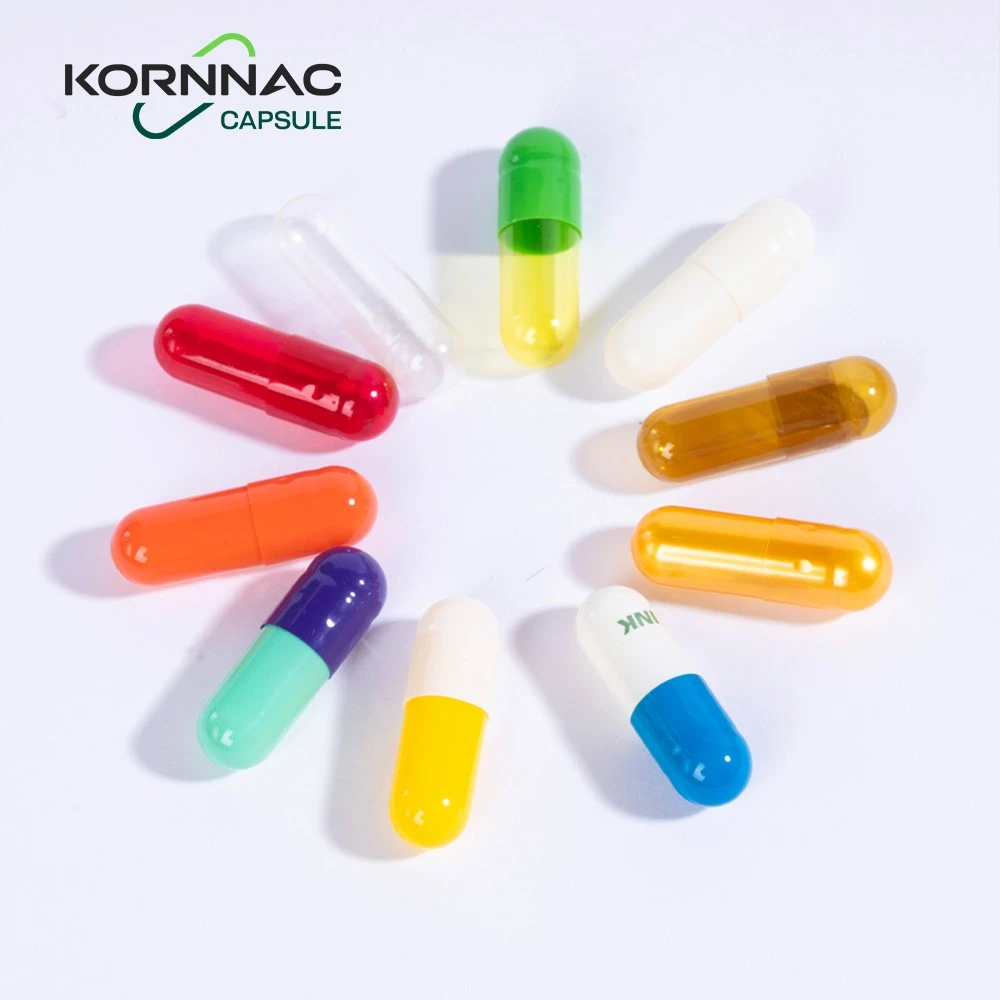
The most significant difference between transparent empty capsules and opaque empty capsules lies in their "light barrier" properties. Transparent capsules are typically formed directly from gelatin or plant-based solutions, resulting in high light transmission that allows us to clearly see the powder or granules filled inside. These capsules are suitable for drugs with stable properties that do not easily undergo photochemical reactions.
In contrast, opaque empty capsules have specific amounts of opacifiers (such as titanium dioxide) and colorants added to the capsule solution. This "opaque" barrier effectively blocks the penetration of ultraviolet and visible light. For drugs containing photosensitive ingredients (such as certain vitamins, fish oils, or easily oxidized herbal extracts), opaque capsules can effectively prevent the medication from decomposing, discoloring, or losing potency due to light exposure, thereby ensuring the stability of the drug's efficacy.
2. Aesthetics and Patient Acceptance
Visual appeal is also an important consideration in commercial applications. While transparent capsules offer intuitive visibility, the contents may spill over and stain the capsule wall after long periods of storage, or the powder may generate static electricity and adhere to the transparent inner wall during shaking, affecting the product's appearance.
Opaque empty capsules possess superior "masking" capabilities. They not only perfectly conceal color changes that may occur in the contents during storage but also allow for brand differentiation through vibrant colors. More importantly, for contents with pungent odors or dark brown colors, opaque capsules can effectively reduce the visual and olfactory discomfort for patients. This improves swallowing compliance and minimizes psychological resistance.
3. Safety and Raw Materials
Whether transparent or opaque, empty capsules that meet national pharmaceutical standards are consistent in terms of safety. The primary matrix for both is usually pharmaceutical gelatin or plant cellulose. Consumers need not be "scared of color", assuming that opaque capsules contain significantly more additives. Opacifiers and pigments used in compliance with regulations are safe and harmless within strictly controlled dosages.
Conclusion
The choice between transparent empty capsules and opaque empty capsules ultimately depends on the "properties of the drug". If your contents require light protection and oxidation resistance, or if you aim to enhance the premium feel and taste-masking effect of a product, opaque capsules are the preferred choice. If you prioritize transparency, a natural look, and stable ingredients, transparent capsules are the best option. Understanding these differences can help us make more rational and informed choices when purchasing medicines or health supplements. If there is any questions about empty capsules, welcome to contact with KornnacCaps.


