

In the pharmaceutical and health supplement industries, empty capsules serve as vital carriers for medicines and nutritional products, and their quality directly impacts medication safety and efficacy. However, empty capsules (primarily made from gelatin or plant fibers) are highly physically sensitive and prone to deterioration if improperly stored. So, what exactly factors cause empty capsules to deteriorate? Understanding these triggers is the key to ensuring product quality.
1. Environmental Humidity: The Primary Killer of Deterioration
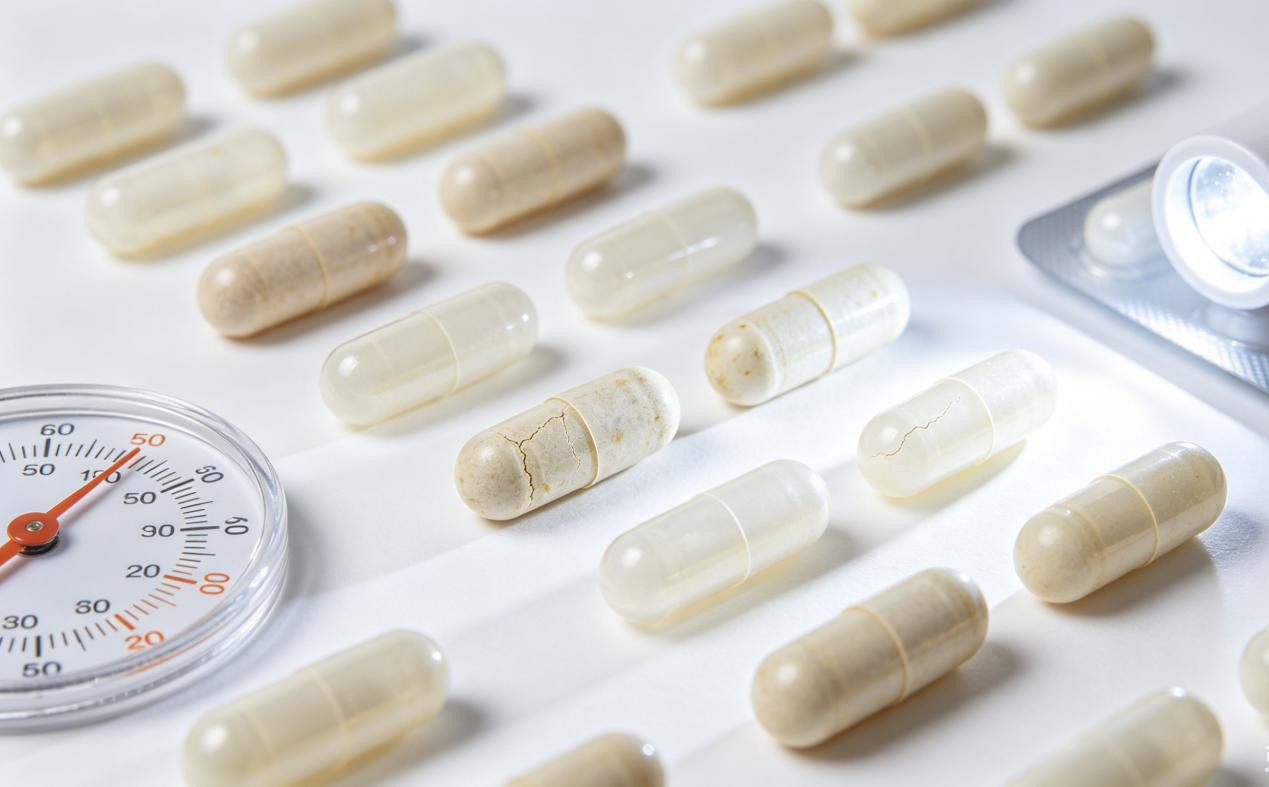
Empty capsules have extremely strict moisture requirements, with a standard water content typically ranging from 12.5% to 17.5%. When environmental humidity is too high, capsules absorb moisture from the air, causing the shell to soften, deform, or even stick together (capsule body and cap locking), which severely disrupts normal filling and packaging. Conversely, if the environment is too dry, the capsules lose moisture, becoming brittle and fragile, making them highly susceptible to cracking during transportation or filling.
2. Environmental Temperature: Affecting Structural Stability
Temperature is another major culprit behind capsule deterioration. High temperatures accelerate the cross-linking reaction of gelatin, reducing the capsule's solubility and preventing it from properly disintegrating in gastric fluid, which in turn affects drug release. Additionally, sustained high temperatures promote the evaporation of internal moisture, exacerbating brittleness.
3. Microbial Contamination: Triggering Mold and Decay
Because empty capsules (especially gelatin capsules) are rich in nutrients like protein, they easily become breeding grounds for bacteria and mold in hot and humid environments. Once contaminated by microorganisms, capsules not only develop surface mold spots and odors but also undergo denaturation and decay, rendering them completely useless for medicinal purposes.
4. Light and Oxidation: Leading to Fading and Embrittlement
Prolonged exposure to ultraviolet light and air oxidation damages the molecular structure of the capsule wall, causing pigment degradation and fading, which significantly compromises appearance quality. Simultaneously, oxidation accelerates the aging of the wall material, reducing its toughness and elasticity.
Maintenance Tips for Empty Capsules
To effectively avoid the deterioration issues mentioned above, pay attention to the following points during daily storage and usage:
Temperature and Humidity Control: Maintain warehouse temperatures between 15°C-25°C and relative humidity between 35%-65%. If the environment is humid, use a dehumidifier; if too dry, place appropriate water basins indoors or use a humidifier to adjust.
Seal and Keep Away from Light: Unused capsules must be sealed immediately by tying the packaging bag tightly or closing the carton securely. Store them in a cool, dark place, and never expose them to direct sunlight.
Open and Use Immediately: During filling operations on the workshop floor, adhere to the principle of "unpack only what you need" to prevent capsules from being exposed to the air for extended periods, which causes moisture absorption or contamination.
First In, First Out (FIFO): Strictly follow batch management. Use the oldest inventory first to shorten the storage cycle and prevent aging due to prolonged storage.
In summary, humidity, temperature, microbial contamination, and light/oxidation are the core factors leading to the deterioration of empty capsules. Only through scientific storage and meticulous maintenance can the stable quality of empty capsules be ensured, safeguarding consumer health and safety.


