When we take medicine or health supplements, we often swallow variously colored "little shells". Many people can't help but wonder: what exactly is this outer shell made of? Can it be digested in the stomach? Today, let's delve into what the different types of empty capsule materials are and their food safety.
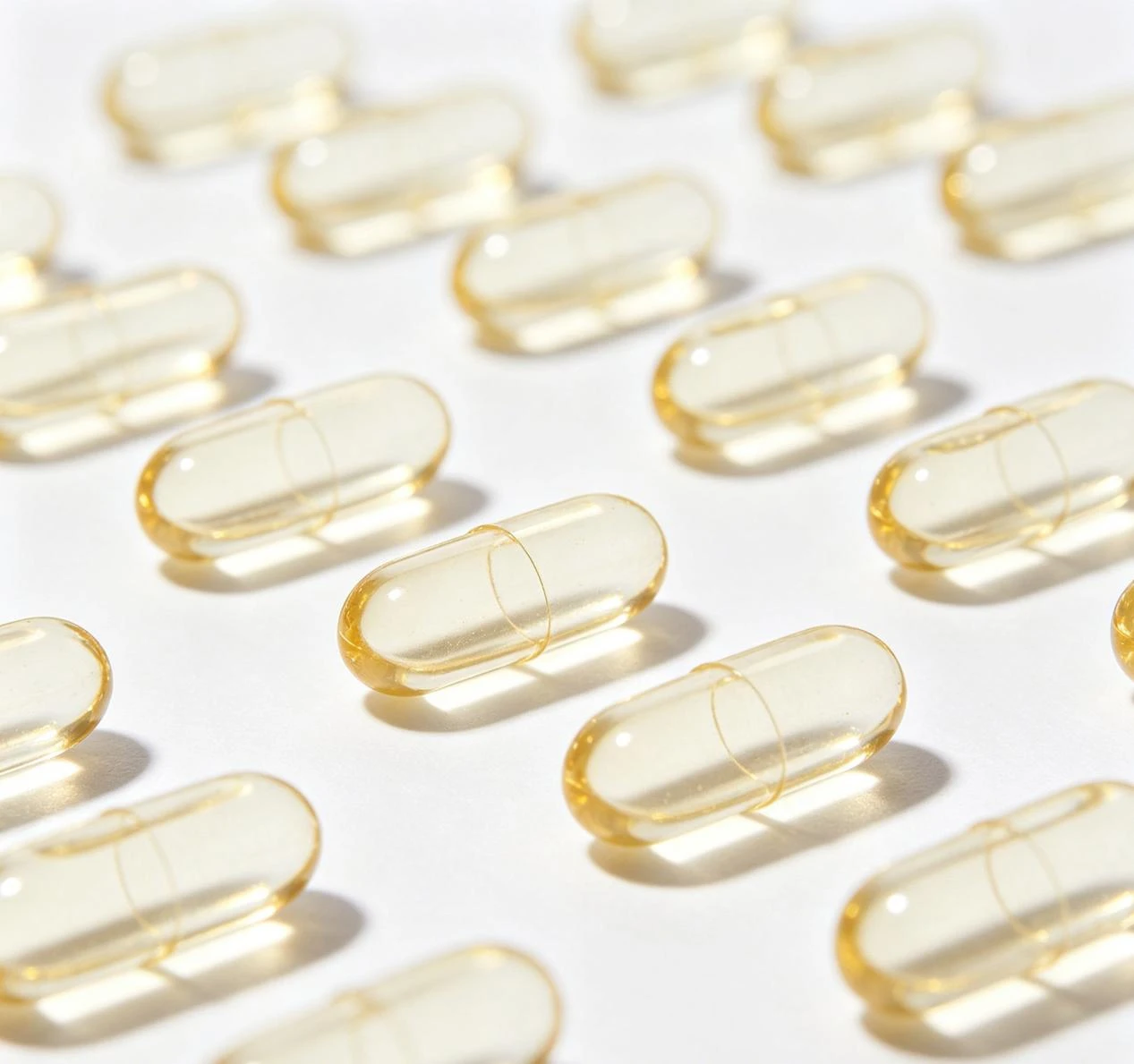
I. What Are the Different Types of Empty Capsule Materials?
Currently, the common pharmaceutical empty capsules on the market are mainly divided into two categories based on material: animal-derived gelatin capsules and plant-derived non-gelatin capsules.
Gelatin Capsules (Traditional Mainstream)
This is the most widely used traditional type of capsule. Its main component is medicinal gelatin, which is derived from the hydrolysis of collagen extracted from the skin, bones, and tendons of animals like pigs and cattle. Gelatin capsules are low-cost, have good film-forming properties, and dissolve rapidly in the human body.
Vegetable Capsules (Emerging High-End)
With the rise of vegetarianism and special religious dietary needs, vegetable capsules have emerged. The most common types are HPMC capsules (Hydroxypropyl Methylcellulose, extracted from pine wood or cotton linter) and Pullulan capsules (produced by starch fermentation). Vegetable capsules have low moisture content and high stability, making them very suitable for moisture-sensitive drugs and probiotics.
II. Are Empty Capsules Safe to Eat?
To be clear: As long as they are produced by legitimate pharmaceutical companies and comply with national pharmacopoeia standards, empty capsules are absolutely safe to consume.
Natural Ingredients, Easy to Digest and Absorb: Take gelatin capsules as an example. Their essence is collagen. After entering the human body, they dissolve rapidly in gastric juice and are broken down into amino acids for digestion and absorption. They do not remain in the digestive tract and do not produce toxic side effects. The components of plant capsules are also safe, similar to dietary fiber.
Strict Standards for Medicinal Excipients: Empty capsules are classified as "pharmaceutical excipients". Their production environment, heavy metal content, and microbial limits are strictly regulated by national drug administration authorities. Legitimate manufacturers must obtain drug production licenses, and their standards are far higher than those for ordinary food additives.
Dispelling Concerns About "Poisonous Capsules": Many people's worries about capsule safety stem from the past "industrial gelatin incident". Today, the state has introduced the most stringent traceability and testing systems, and the use of non-compliant industrial gelatin (containing heavy metals like chromium) has been largely eradicated.
Conclusion
Empty capsules are not some "chemical horror", but a necessary outer shell designed to mask the bitter taste of drugs and protect their active ingredients from being destroyed by stomach acid. Whether traditional gelatin capsules or new vegetable capsules, as long as they are qualified medicines purchased from legitimate channels, we can take them with confidence. Do not blindly peel open the capsules to take the powder inside out of unfounded concerns. If there is any questions about empty capsules, welcome to contact with KornnacCaps.