

In the field of medicine, empty capsules are a common and important type of excipient. They are like a small protective cover, providing a good carrier for the drugs. So, what exactly are empty capsules made of?
Traditionally, the main raw material for empty capsules is gelatin. Gelatin is a protein extracted from connective tissues such as animal bones and skin, and it has excellent film-forming properties, solubility, and biocompatibility. When making gelatin empty capsules, the gelatin is first dissolved in water to form an uniform gel solution. Then, it is molded into the shape of a capsule shell using molds. After drying, cutting, and other processes, the common empty capsules we see are obtained. Gelatin empty capsules can be rapidly dissolved in the body, releasing the drugs within, and they have a good taste without causing adverse effects on the drugs. However, with the improvement of people's health awareness and concerns about animal-derived products, gelatin capsules are also facing some challenges.
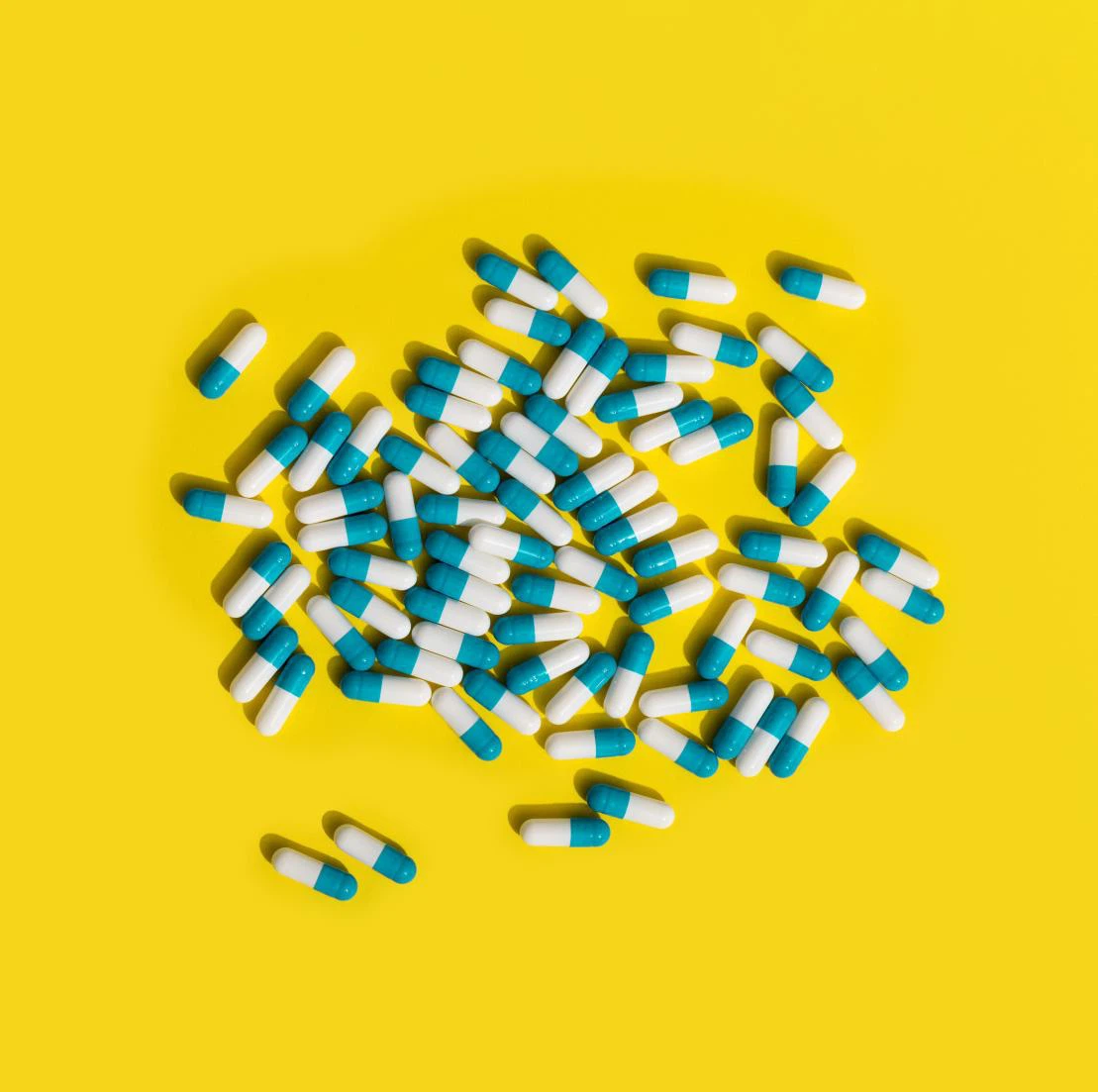
To meet the needs of different groups of people, some new types of empty capsules have emerged. Vegetable capsules are an important alternative to gelatin, with the main raw material being hydroxypropyl methylcellulose. Hydroxypropyl methylcellulose is a natural polymer material extracted from plants, which has good stability and safety. The production process of vegetarian capsules is similar to that of gelatin empty capsules, but it also has unique advantages in terms of taste and solubility. Vegetarian capsules have a better taste and contain no animal-derived components, making them suitable for vegetarians, religious believers, and people with allergic constitutions.
In addition, there are some special empty capsules, such as enteric-coated capsules. The preparation process of enteric-coated capsules is more complex. Usually, a special coating material, such as cellulose acetate phthalate, is coated on the surface of the capsule shell, so that the capsule does not dissolve in gastric acid but dissolves in the alkaline environment of the intestine, thereby protecting the drug from being damaged in the stomach and ensuring that the drug can exert its efficacy in the intestine.
The materials used in the production of empty capsules have been constantly innovated and developed, ranging from traditional gelatin to vegetable capsules, enteric-coated capsules, etc. This not only meets the needs of different groups of people, but also provides more possibilities for drug research and application. In the future, with the continuous advancement of technology, the materials and production processes of empty capsules will continue to be optimized, making greater contributions to the cause of human health.


