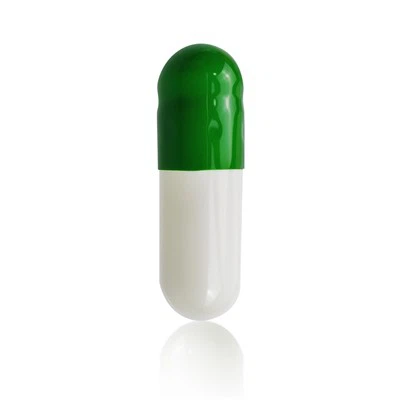
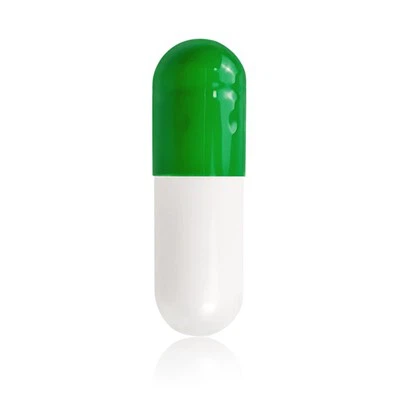
Hey there! As a supplier of HPMC capsules, I know how crucial it is to understand the safety regulations surrounding these little guys. HPMC, or hydroxypropyl methylcellulose, capsules have become super popular in the supplement and pharmaceutical industries, especially among those looking for a vegan - friendly alternative to gelatin capsules. So, let's dive into what safety regulations you need to know about HPMC capsules.
Raw Material Safety
First off, the raw materials used to make HPMC capsules are a big deal. HPMC is derived from cellulose, which is a natural polymer found in plants. This means it's generally considered safe for human consumption. But, we can't just use any old cellulose. The cellulose used in HPMC production should come from high - quality, food - grade sources.
For example, it's important that the cellulose is free from pesticides, heavy metals, and other contaminants. At our place, we source our cellulose from suppliers who follow strict agricultural and manufacturing practices. We also conduct our own tests on the raw materials to make sure they meet our safety standards.
Manufacturing Process Safety
The manufacturing process of HPMC capsules is tightly regulated. There are specific guidelines in place to ensure that the capsules are produced in a clean and controlled environment. For starters, the manufacturing facility needs to be designed to prevent cross - contamination. This means having separate areas for raw material storage, capsule production, and finished product storage.
The equipment used in the manufacturing process also needs to be regularly cleaned and maintained. We use state - of - the - art machinery that is designed to minimize the risk of contamination. All workers in the facility are trained in good manufacturing practices (GMP), which include proper hygiene, wearing protective clothing, and following strict operating procedures.
During the manufacturing process, there are also strict controls on temperature, humidity, and other environmental factors. These factors can affect the quality and safety of the capsules. For instance, if the humidity is too high, the capsules may become sticky and difficult to fill. On the other hand, if the temperature is too high, the HPMC material may degrade.
Quality Control and Testing
Quality control is a key part of ensuring the safety of HPMC capsules. We conduct a series of tests at different stages of the production process. First, we test the raw materials to make sure they meet our specifications. This includes testing for purity, viscosity, and other physical and chemical properties.
Once the capsules are manufactured, we test them for things like size, shape, and weight. We also check for any defects, such as cracks or holes in the capsules. In addition, we conduct microbiological tests to make sure the capsules are free from harmful bacteria, fungi, and other microorganisms.
We also perform stability testing on the capsules. This involves storing the capsules under different conditions (such as different temperatures and humidity levels) for a certain period of time to see how they hold up. This helps us determine the shelf - life of the capsules and ensure that they remain safe and effective throughout their storage.
Labeling and Packaging Safety
The labeling and packaging of HPMC capsules are also subject to safety regulations. The label on the capsule container needs to provide accurate information about the product. This includes the name of the product, the ingredients, the dosage instructions, and any warnings or precautions.
The packaging needs to be designed to protect the capsules from damage and contamination. It should also be child - resistant if the product is intended for use by the general public. We use high - quality packaging materials that are both durable and safe.
Compliance with International Standards
As a supplier, we make sure that our HPMC capsules comply with international safety standards. For example, in the United States, the Food and Drug Administration (FDA) regulates the safety of dietary supplements and pharmaceutical products, including HPMC capsules. We follow the FDA's guidelines on manufacturing, labeling, and quality control.
In the European Union, the European Medicines Agency (EMA) and the European Food Safety Authority (EFSA) have their own set of regulations. We ensure that our products meet these standards as well. This allows us to supply our HPMC capsules to customers all over the world with confidence.
Different Sizes and Their Safety
We offer a variety of sizes of HPMC capsules, such as Size 00 HPMC Capsules and Size 2 HPMC Capsules. Each size has its own specific uses and safety considerations.
The larger capsules, like Size 00, can hold more content, which is great for supplements with larger dosages. However, they may be more difficult to swallow for some people. We make sure that all our capsules, regardless of size, are smooth and easy to handle during the filling process. And of course, all sizes are subject to the same strict safety regulations.


Our Vegan HPMC Capsules are also very popular among those who follow a vegan lifestyle. These capsules are made from plant - based materials and are free from any animal - derived ingredients. They offer a safe and ethical alternative to traditional gelatin capsules.
Conclusion and Call to Action
So, there you have it! The safety regulations for HPMC capsules cover everything from raw material sourcing to manufacturing, quality control, and packaging. As a supplier, we take these regulations very seriously to ensure that our customers get the safest and highest - quality products.
If you're in the market for HPMC capsules for your supplement or pharmaceutical business, we'd love to hear from you. Whether you need Vegan HPMC Capsules, Size 00 HPMC Capsules, or Size 2 HPMC Capsules, we've got you covered. Feel free to reach out to us to discuss your specific needs and start a procurement conversation.
References
- Food and Drug Administration (FDA) guidelines on dietary supplements and pharmaceutical products.
- European Medicines Agency (EMA) and European Food Safety Authority (EFSA) regulations.
- Good Manufacturing Practices (GMP) guidelines for pharmaceutical and supplement manufacturing.