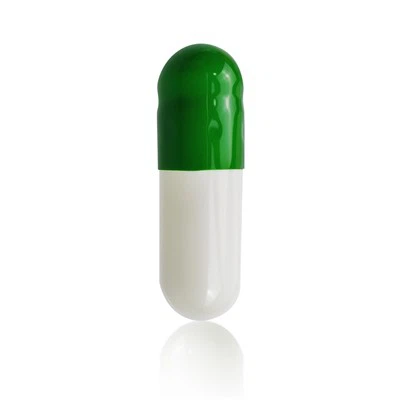
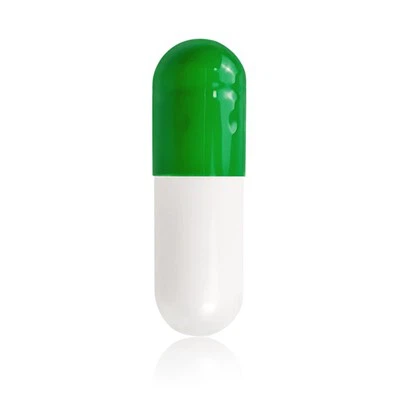
Acid-resistant capsules are a crucial component in the pharmaceutical and nutraceutical industries, designed to protect active ingredients from the acidic environment of the stomach and ensure their targeted release in the intestines. As a leading supplier of acid-resistant capsules, we understand the importance of proper storage to maintain the quality and efficacy of these products. In this blog post, we will discuss the best practices for storing acid-resistant capsules to help you preserve their integrity and performance.
Understanding Acid-Resistant Capsules
Before delving into storage guidelines, it's essential to understand the composition and functionality of acid-resistant capsules. These capsules are typically made from materials such as hydroxypropyl methylcellulose (HPMC), which is resistant to the acidic pH of the stomach. HPMC capsules are popular due to their vegetarian-friendly nature, low moisture content, and compatibility with a wide range of active ingredients. For example, our Size 00 HPMC Capsules and Size 3 HPMC Capsules are designed to meet the diverse needs of our customers. Additionally, our Vegan HPMC Capsules are suitable for those following a vegan lifestyle.
The acid-resistant coating on these capsules allows them to remain intact in the stomach, where the pH can range from 1.5 to 3.5. Once the capsules reach the more neutral pH environment of the small intestine (pH 6 - 7.4), the coating dissolves, releasing the active ingredients for absorption. To ensure that this process works effectively, proper storage conditions are crucial.
Factors Affecting Capsule Storage
Several factors can impact the quality and stability of acid-resistant capsules during storage. These include temperature, humidity, light, and air exposure. Understanding how these factors interact with the capsules is essential for maintaining their integrity.
Temperature
Temperature is one of the most critical factors in capsule storage. High temperatures can cause the capsules to soften, deform, or even melt, while low temperatures can make them brittle and prone to cracking. The ideal temperature range for storing acid-resistant capsules is between 20°C and 25°C (68°F - 77°F). This temperature range helps to maintain the physical properties of the capsules and prevents any chemical degradation of the active ingredients.
It's important to avoid storing capsules in areas where the temperature fluctuates significantly, such as near heating or cooling vents, direct sunlight, or in uninsulated storage areas. If you need to store capsules in a warehouse or storage facility, consider using temperature-controlled storage units to ensure a consistent environment.
Humidity
Humidity can also have a significant impact on the quality of acid-resistant capsules. High humidity levels can cause the capsules to absorb moisture, leading to swelling, sticking, or mold growth. On the other hand, low humidity can cause the capsules to become dry and brittle. The ideal relative humidity range for storing capsules is between 30% and 60%.
To control humidity, you can use dehumidifiers or humidifiers in your storage area, depending on the ambient conditions. Additionally, storing capsules in sealed containers or packaging can help to protect them from moisture. Desiccants, such as silica gel packets, can also be placed inside the packaging to absorb any excess moisture.
Light
Exposure to light, especially ultraviolet (UV) light, can cause the degradation of the active ingredients in the capsules and the breakdown of the acid-resistant coating. To protect the capsules from light, store them in opaque containers or packaging. If possible, choose storage areas that are away from direct sunlight or other sources of bright light.
Air Exposure
Air contains oxygen, which can react with the active ingredients in the capsules and cause oxidation. Oxidation can lead to a loss of potency, changes in color, and the formation of harmful by-products. To minimize air exposure, store capsules in airtight containers or packaging. Vacuum-sealed packaging can be particularly effective in reducing oxygen levels and extending the shelf life of the capsules.


Storage Containers and Packaging
The choice of storage containers and packaging is crucial for maintaining the quality of acid-resistant capsules. Here are some recommendations:
Containers
- Glass Containers: Glass is an excellent material for storing capsules because it is inert, non-porous, and provides a good barrier against light, air, and moisture. Choose amber or brown glass containers to further protect the capsules from light.
- Plastic Containers: If you choose to use plastic containers, make sure they are made from high-quality, food-grade plastic that is resistant to moisture and oxygen. Avoid using containers made from recycled plastic, as they may contain impurities that could affect the quality of the capsules.
- Aluminum Foil Pouches: Aluminum foil pouches are a popular choice for packaging capsules because they provide a good barrier against light, air, and moisture. They are also lightweight and easy to transport.
Packaging
- Blister Packs: Blister packs are a convenient and effective way to package capsules. They provide individual protection for each capsule, reducing the risk of damage and contamination. Blister packs are also easy to label and can be designed to be child-resistant.
- Bottles: Bottles are a common packaging option for capsules. Choose bottles with tight-fitting caps to prevent air and moisture from entering. You can also add a desiccant packet to the bottle to absorb any excess moisture.
Storage Location
In addition to choosing the right storage containers and packaging, the location where you store the capsules is also important. Here are some tips:
- Store in a Cool, Dry Place: As mentioned earlier, the ideal temperature and humidity range for storing capsules is between 20°C and 25°C (68°F - 77°F) and 30% - 60% relative humidity, respectively. Choose a storage location that meets these requirements, such as a climate-controlled warehouse or a closet away from heat sources.
- Avoid Areas with High Traffic or Vibration: High traffic areas or areas with a lot of vibration can cause the capsules to move around and potentially damage them. Store capsules in a quiet, stable location to minimize the risk of damage.
- Keep Away from Chemicals and Cleaning Agents: Chemicals and cleaning agents can release fumes that may react with the capsules and affect their quality. Store capsules away from areas where chemicals are stored or used, such as near cleaning supplies or in a laboratory.
Monitoring and Inspection
Regular monitoring and inspection of the stored capsules are essential to ensure their quality and stability. Here are some steps you can take:
- Temperature and Humidity Monitoring: Use a thermometer and hygrometer to monitor the temperature and humidity levels in your storage area regularly. Keep a record of these readings to track any changes over time.
- Visual Inspection: Periodically inspect the capsules for any signs of damage, such as cracking, softening, or discoloration. If you notice any issues, remove the affected capsules from the storage area and investigate the cause.
- Shelf Life Monitoring: Keep track of the expiration dates of the capsules and rotate your stock to ensure that you are using the oldest capsules first. This helps to minimize the risk of using expired products.
Conclusion
Proper storage of acid-resistant capsules is essential for maintaining their quality, efficacy, and stability. By following the guidelines outlined in this blog post, you can ensure that your capsules remain in optimal condition until they are ready to be used. As a trusted supplier of acid-resistant capsules, we are committed to providing our customers with high-quality products and the information they need to store and use them effectively.
If you have any questions about storing acid-resistant capsules or are interested in purchasing our products, please feel free to contact us. We would be happy to assist you with your procurement needs and provide you with more information about our acid-resistant capsule offerings.
References
- Pharmaceutical Packaging Handbook, Third Edition. Edited by Gordon L. Amidon, Patrick J. Sinko, and Victor J. Stella. Informa Healthcare, 2008.
- Handbook of Encapsulation and Controlled Release. Edited by David J. Burgess and Shawn O'Donnell. CRC Press, 2009.
- "Stability Testing of Pharmaceutical Products." International Conference on Harmonisation of Technical Requirements for Registration of Pharmaceuticals for Human Use (ICH), Q1A(R2), 2003.