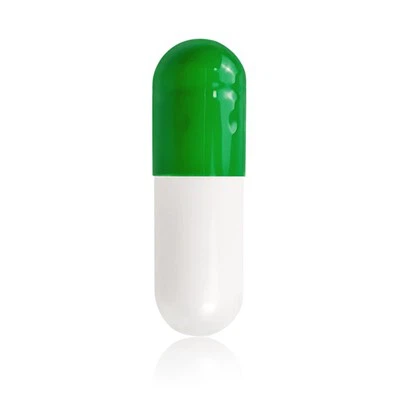
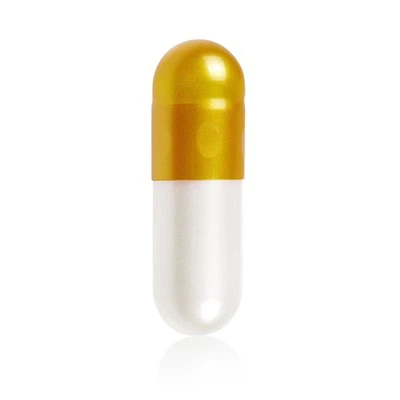
As a supplier of Size 4 HPMC Capsules, I often encounter inquiries regarding the suitability of our products for veterinary applications. In this blog post, I aim to delve into the topic and provide a comprehensive analysis of whether Size 4 HPMC capsules can be effectively used in the veterinary field.
Understanding HPMC Capsules
Hydroxypropyl methylcellulose (HPMC) capsules are a popular choice in the pharmaceutical and nutraceutical industries due to their numerous advantages. They are vegetarian-friendly, free from animal-derived ingredients, and offer excellent stability and compatibility with a wide range of active ingredients. HPMC capsules are also known for their low moisture content, which helps to preserve the integrity of the encapsulated substances.
Size 4 HPMC capsules are relatively small, with a capacity typically ranging from 0.13 to 0.21 ml. They are commonly used for encapsulating small doses of medications, supplements, or other substances. The size is suitable for applications where a smaller capsule volume is required, such as for pediatric or geriatric patients, or for substances that are potent and require precise dosing.
Considerations for Veterinary Use
When evaluating the suitability of Size 4 HPMC capsules for veterinary purposes, several factors need to be taken into account.
Animal Species and Size
The first consideration is the animal species and size for which the capsules will be used. Different animals have different anatomical and physiological characteristics, which can affect the ease of administration and the ability of the animal to swallow the capsules. For example, small animals such as mice, rats, and guinea pigs may have difficulty swallowing larger capsules, while larger animals such as dogs, cats, and horses may be able to tolerate larger capsule sizes.
Size 4 HPMC capsules are generally small enough to be administered to most small to medium-sized animals. However, it is important to ensure that the capsule size is appropriate for the specific animal species and size. For smaller animals, it may be necessary to use even smaller capsule sizes, such as Size 5 or Size 6 HPMC capsules.


Medication or Supplement Requirements
The type and quantity of the medication or supplement being encapsulated also play a crucial role in determining the suitability of Size 4 HPMC capsules for veterinary use. Some medications or supplements may require a larger capsule size to accommodate the required dose, while others may be more concentrated and can be effectively encapsulated in smaller capsules.
It is important to consult with a veterinarian or a pharmaceutical expert to determine the appropriate capsule size and dosing regimen for the specific medication or supplement being used. They can provide guidance on the optimal capsule size based on the animal's condition, weight, and other factors.
Administration and Compliance
Another important consideration is the ease of administration and the animal's compliance. Animals may be reluctant to swallow capsules, especially if they have an unpleasant taste or odor. To improve the chances of successful administration, it may be necessary to use techniques such as hiding the capsule in food or using a pill dispenser.
Size 4 HPMC capsules are relatively easy to handle and administer, but it is still important to take steps to ensure that the animal swallows the capsule without difficulty. Additionally, it is important to monitor the animal's compliance with the treatment regimen to ensure that the medication or supplement is being administered as directed.
Advantages of Using Size 4 HPMC Capsules in Veterinary Medicine
Despite the considerations mentioned above, there are several advantages to using Size 4 HPMC capsules in veterinary medicine.
Precise Dosing
Size 4 HPMC capsules allow for precise dosing of medications and supplements, which is essential for ensuring the effectiveness and safety of the treatment. The small capsule size makes it easier to control the amount of the active ingredient being administered, especially for substances that are potent or require precise dosing.
Compatibility with Various Formulations
HPMC capsules are compatible with a wide range of medications and supplements, including powders, granules, liquids, and semi-solids. This makes them a versatile option for encapsulating different types of veterinary products.
Vegetarian-Friendly
As mentioned earlier, HPMC capsules are vegetarian-friendly and do not contain any animal-derived ingredients. This is an important consideration for pet owners who prefer to use vegetarian or vegan products for their animals.
Stability and Preservation
HPMC capsules offer excellent stability and preservation properties, which helps to ensure the integrity and effectiveness of the encapsulated substances. They are resistant to moisture, oxygen, and light, which can help to prevent degradation and extend the shelf life of the veterinary products.
Conclusion
In conclusion, Size 4 HPMC capsules can be used for veterinary purposes, but it is important to carefully consider the animal species and size, the medication or supplement requirements, and the ease of administration and compliance. When used appropriately, Size 4 HPMC capsules offer several advantages, including precise dosing, compatibility with various formulations, vegetarian-friendliness, and stability.
If you are a veterinarian, animal healthcare provider, or pet owner interested in using Size 4 HPMC capsules for veterinary applications, I encourage you to contact us to learn more about our products and how they can meet your specific needs. We are a leading supplier of Size 4 HPMC Capsules, Size 00 HPMC Capsules, and Size 0 HPMC Capsules, and we are committed to providing high-quality products and excellent customer service.
References
- Pharmaceutical Dosage Forms: Tablets, Volume 1, Third Edition. Edited by Herbert A. Lieberman, Lloyd Lachman, and Joseph B. Schwartz.
- Handbook of Pharmaceutical Excipients, Sixth Edition. Edited by Raymond C. Rowe, Paul J. Sheskey, and Marian E. Quinn.
- Veterinary Pharmacology and Therapeutics, Eighth Edition. Edited by Jim E. Riviere and Mark G. Papich.