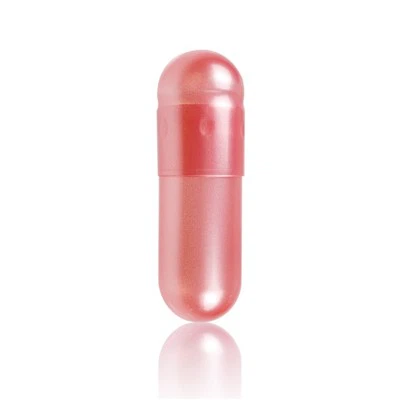
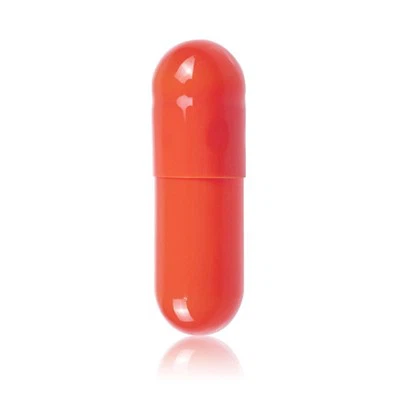
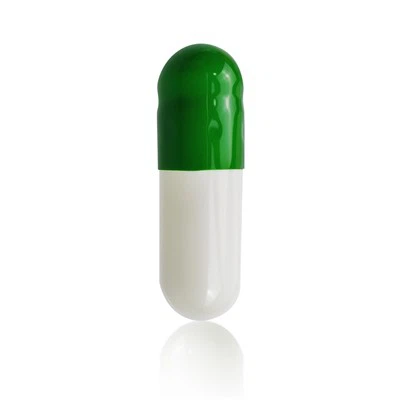
Hydroxypropyl methylcellulose (HPMC) capsules have gained significant popularity in the pharmaceutical and nutraceutical industries in recent years. As a leading HPMC capsules supplier, I am often asked whether these capsules can be used for antioxidants. In this blog post, I will explore this question in detail, examining the properties of HPMC capsules, the nature of antioxidants, and the compatibility between the two.
Understanding HPMC Capsules
HPMC capsules are a type of vegetarian capsule made from cellulose, a natural polymer found in plants. They are an excellent alternative to gelatin capsules, which are derived from animal sources, and are suitable for vegetarians, vegans, and those with religious or cultural dietary restrictions. HPMC capsules are known for their purity, stability, and compatibility with a wide range of active ingredients.
One of the key advantages of HPMC capsules is their low moisture content. Unlike gelatin capsules, which can absorb moisture from the environment, HPMC capsules have a moisture content of less than 6%. This low moisture content helps to prevent the degradation of sensitive active ingredients, making HPMC capsules an ideal choice for encapsulating antioxidants.
What Are Antioxidants?
Antioxidants are substances that can prevent or slow down the oxidation of other molecules. Oxidation is a chemical reaction that can produce free radicals, which are unstable molecules that can damage cells and contribute to the development of various diseases, including cancer, heart disease, and Alzheimer's disease. Antioxidants work by neutralizing free radicals, thereby protecting cells from oxidative damage.
There are many different types of antioxidants, including vitamins (such as vitamin C, vitamin E, and beta-carotene), minerals (such as selenium and zinc), and phytochemicals (such as flavonoids, polyphenols, and carotenoids). These antioxidants can be found in a variety of foods, including fruits, vegetables, nuts, and seeds, as well as in dietary supplements.
Compatibility of HPMC Capsules with Antioxidants
The compatibility of HPMC capsules with antioxidants is a crucial factor to consider when choosing a capsule for encapsulating antioxidant supplements. In general, HPMC capsules are highly compatible with most antioxidants due to their inert nature and low moisture content.
The inert nature of HPMC means that it does not react chemically with antioxidants, which helps to preserve the stability and efficacy of the active ingredients. This is particularly important for antioxidants, which can be easily oxidized and degraded when exposed to certain chemicals or environmental conditions.
The low moisture content of HPMC capsules also plays a significant role in protecting antioxidants. Moisture can accelerate the oxidation process, leading to the degradation of antioxidants and a reduction in their effectiveness. By keeping the moisture content low, HPMC capsules help to maintain the stability of antioxidants and extend their shelf life.
Benefits of Using HPMC Capsules for Antioxidants
There are several benefits to using HPMC capsules for encapsulating antioxidants:
1. Stability
As mentioned earlier, the low moisture content and inert nature of HPMC capsules help to maintain the stability of antioxidants. This ensures that the antioxidants remain effective throughout the shelf life of the supplement, providing consumers with the full benefits of the active ingredients.
2. Compatibility
HPMC capsules are compatible with a wide range of antioxidants, including both water-soluble and fat-soluble antioxidants. This makes them a versatile choice for formulating antioxidant supplements.
3. Vegetarian and Vegan-Friendly
HPMC capsules are made from plant-based materials, making them suitable for vegetarians and vegans. This is an important consideration for many consumers who are looking for ethical and sustainable supplement options.
4. Rapid Dissolution
HPMC capsules dissolve quickly in the stomach, allowing for rapid release of the antioxidants. This ensures that the antioxidants are absorbed efficiently by the body, maximizing their effectiveness.
Considerations When Using HPMC Capsules for Antioxidants
While HPMC capsules are generally compatible with antioxidants, there are a few considerations to keep in mind:
1. Light and Oxygen Exposure
Antioxidants are sensitive to light and oxygen, which can cause them to degrade. It is important to store antioxidant supplements in a cool, dark place and to use opaque packaging to protect the capsules from light and oxygen exposure.
2. Formulation
The formulation of the antioxidant supplement can also affect the stability and compatibility with HPMC capsules. It is important to work with a qualified formulator or manufacturer to ensure that the supplement is formulated correctly and that the antioxidants are compatible with the capsule material.
3. Capsule Size
The size of the HPMC capsule can also affect the encapsulation process and the stability of the antioxidants. It is important to choose the appropriate capsule size based on the amount of antioxidant that needs to be encapsulated. For example, if you need to encapsulate a large amount of antioxidant, you may need to use a larger capsule size such as Size 000 HPMC Capsules. On the other hand, if you need to encapsulate a smaller amount of antioxidant, a smaller capsule size such as Size 3 HPMC Capsules or Size 1 HPMC Capsules may be more suitable.


Conclusion
In conclusion, HPMC capsules can be used effectively for encapsulating antioxidants. Their low moisture content, inert nature, and rapid dissolution properties make them an ideal choice for preserving the stability and efficacy of antioxidants. However, it is important to consider factors such as light and oxygen exposure, formulation, and capsule size to ensure the optimal performance of the antioxidant supplement.
As a trusted HPMC capsules supplier, we are committed to providing high-quality capsules that meet the specific needs of our customers. If you are interested in using HPMC capsules for your antioxidant supplements, we encourage you to contact us to discuss your requirements. Our team of experts can provide you with detailed information about our products and help you choose the right capsule size and type for your application. We look forward to working with you to develop innovative and effective antioxidant supplements.
References
- Shah, N. H., & Shah, N. J. (2016). HPMC capsules: An overview. Journal of Pharmacy and Bioallied Sciences, 8(2), 84-88.
- Halliwell, B., & Gutteridge, J. M. C. (2015). Free radicals in biology and medicine. Oxford University Press.
- Prior, R. L., & Cao, G. (2000). Assays for hydrophilic and lipophilic antioxidant capacity (oxygen radical absorbance capacity (ORACFL)) of plasma and other biological and food samples. Methods in enzymology, 335, 37-51.